
NeuroCare
Are you, or someone you know, living with a neurological symptom or condition?
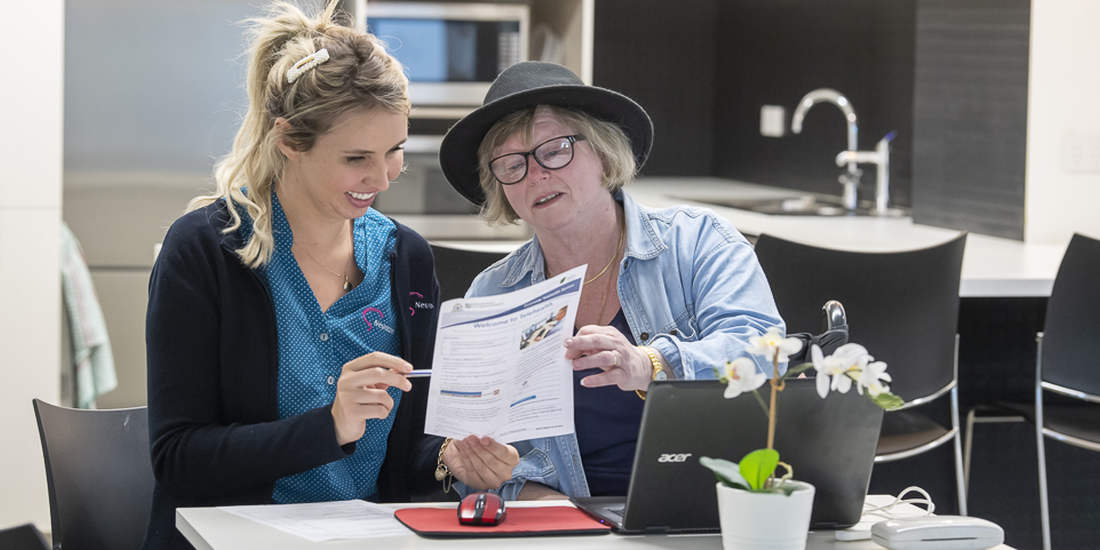
Neurological symptoms can significantly impact a person’s life due to sudden or progressive changes in their physical, behavioural or cognitive functioning. Carers and loved ones can also be affected.
The NeuroCare dedicated team of Community Neurological Nurses provide free, high quality, patient-centred neurological nursing and health care navigation services to people of all ages living with any neurological condition or symptoms. They are here to help and support you and your carer at any stage of your diagnostic journey; from pre-diagnosis, through to post diagnosis. We also know that for some people there is never a clear diagnosis, and understand the challenge of living with the impact of a neurological symptom or condition.
Everyone's situation is unique, and we will work with you to provide individualised and holistic care that is tailored to your needs and circumstances.
Quick link: To access or refer someone to our service, please complete the referral form here.
If you, or someone you know, has a neurological condition or symptoms, you can access our NeuroCare Community Neurological Nursing and health system navigation service at no cost to you through our funding from the WA Department of Health or as a client of the NDIS.
Referrals
We require a written or telephone referral (self referrals are welcome) or for more information chat to one of our neurological nurses about your individual circumstances, please phone 1800 645 771 or email hello@ncwa.com.au.
We can help you navigate health and social care systems to find the right support, and advise and provide education on condition and symptom management. This ensures you and your family understand what has changed and what you need to maximise your health.
We can liaise with your treating doctors and other health care professionals after hospital discharge, on health status, condition changes and other care issues. Our nurses will ensure that you are well supported in the community.
We can work with you and health care professionals to ensure you have the information and knowledge to identify ways of maintaining and possibly improving your health. This is done through the development of meaningful goals and strategies to maximise well-being and prevent further complications.
Our team provides a range of assessments to identify current and future care needs. The aim of these assessments is to work with you in setting health and well-being goals and assisting in the development of meaningful plans of care.
We provide ongoing clinical management and encouragement concerning self-management. We also ensure you are supported to navigate the system, maximising potential benefits to your situation, often with referrals to other health care professionals and/or services.
NeuroCare is available state-wide and via TeleNurse.
We offer pre-discharge in-person hospital visits, home and care facility visits across the Perth Metropolitan, South West, Great Southern, Mid West, Peel and Wheatbelt regions of Western Australia.
We undertake planned regional visits to rural and remote areas. Contact us for our schedule or to find out more.


Need to know more?
Read our NeuroCare brochure.
Or, if you have any questions please contact our friendly reception on 1800 645 771 (free call) or (08) 6285 3800. Alternatively, you can contact us via the online form below or by email.
Our office hours are Monday to Friday from 8.30am to 4.30pm.
Testimonials
“Our Neurological Council of WA nurse has been really helpful. She knows what to look for and what to ask. She’ll check in on things I hadn’t thought of. It’s reassuring. She understands the system — and she gets the condition-specific stuff. That makes a difference.”
“Without her, I don’t know where I’d be. She didn’t give up on me. I wasn’t just another patient — she made sure I got the help I needed.”
“I’ll ask her something, and if she doesn’t know, she finds out and emails me in a couple of days. She follows through. She’s got good knowledge and she genuinely cares.”